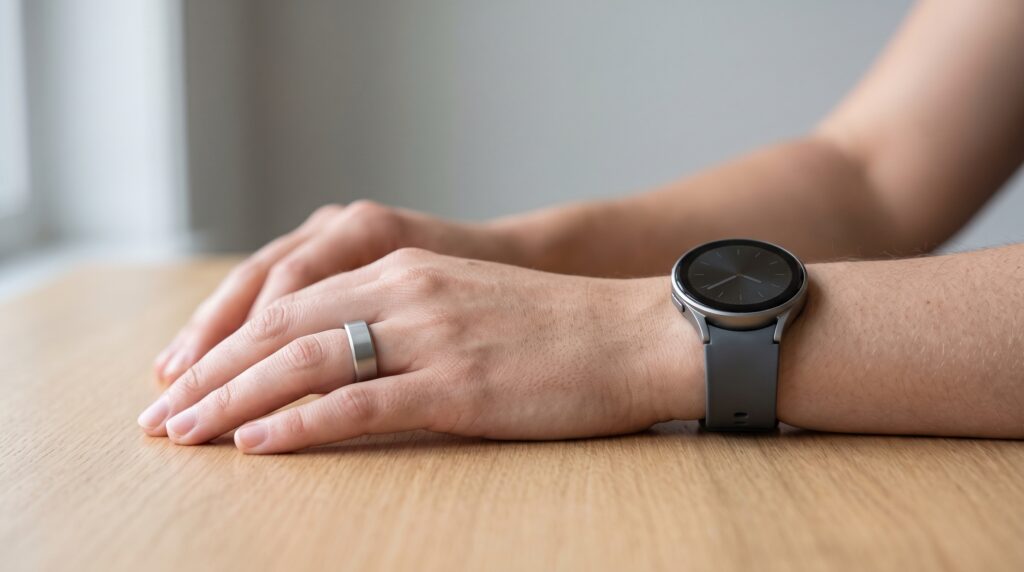

Short answer: no ai smart glasses fully replace your phone yet, but a handful come close for specific tasks. Audio-first models like the Ray-Ban Meta Gen 2 handle calls, translation, and quick questions without a screen, while display glasses like the Meta Ray-Ban Display and Even Realities G2 add visual notifications and navigation. If you want the closest thing to a phone on your face in 2026, the display glasses win. If you want all-day comfort, the audio-only models still lead.
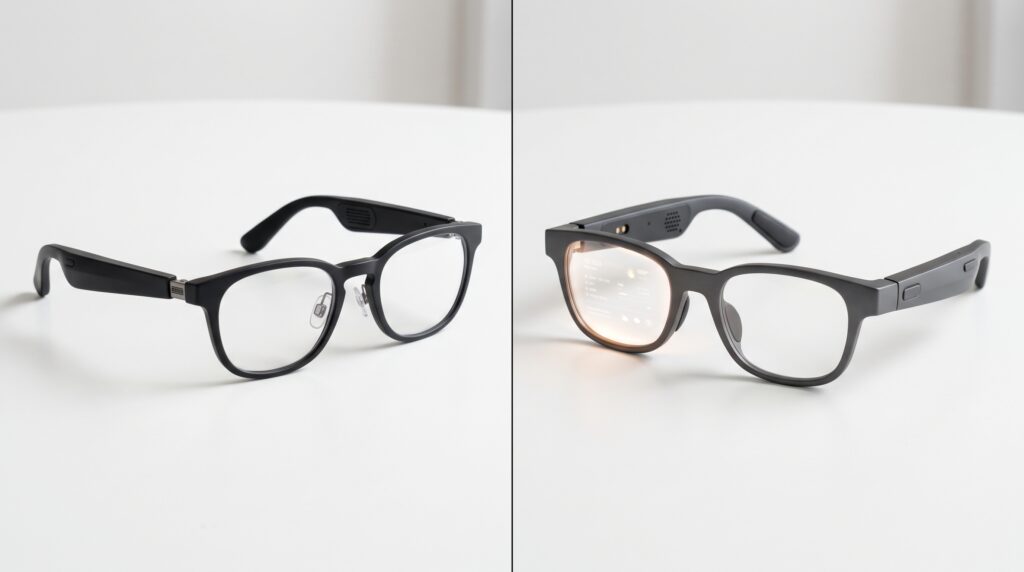
That’s the honest, non-hype version. Now let’s break down why, and which pair actually fits your life.
What “Replacing Your Phone” Actually Means in 2026
Nobody is walking around ditching their phone entirely because of a pair of glasses. Instead, the real question is how many phone-pickup moments a pair of AI smart glasses 2026 can absorb: checking a text, glancing at directions, asking a quick question, snapping a photo, or translating a menu.
The glasses that come closest don’t try to be a phone. They try to intercept the reasons you reach for one. That distinction matters more than any spec sheet.
The Two Camps: Audio-First vs Display Glasses
The market has settled into two clear lanes, and picking the wrong one for your habits is the most common regret buyers report.
Audio-first AI glasses skip the screen entirely. You talk, they talk back, and a camera lets the AI “see” what you’re looking at. They’re lighter, cheaper on battery, and easier to wear for ten hours straight.
Display glasses project a small screen into your field of view. You get maps, notifications, and text replies without pulling out your phone, but battery life and price both take a hit.
Neither camp is objectively better. It depends on whether you want your glasses to talk to you or show you something.
Best AI Smart Glasses of 2026: Quick Comparison

| Model | Category | Standout Feature | Best For |
|---|---|---|---|
| Ray-Ban Meta Gen 2 | Audio-first | Meta AI visual Q&A, live translation | Everyday, social use |
| Meta Ray-Ban Display | Display (single-lens) | In-lens Maps, texts, Neural Band control | Closest phone replacement |
| Even Realities G2 | Display (minimalist) | Discreet micro-LED text readouts | Professionals, meetings |
| Rokid AI Glasses Style | Audio-first | Multi-LLM stack (ChatGPT + DeepSeek) | Travelers, translators |
| Oakley Meta Vanguard | Audio-first, rugged | IP67 waterproofing | Runners, outdoor athletes |
| Xreal One | Display (immersive) | Big virtual screen, 3DoF tracking | Movies, gaming on the go |
The Top Picks, Explained
Ray-Ban Meta Gen 2: The Daily Driver
This is still the pair most people picture when they hear “AI smart glasses 2026.” You point your head at something, ask what it is, and get an answer through open-ear speakers within seconds. Live translation, longer battery life, and a sharper camera make it the safest first purchase for anyone curious about the category without committing to a headset-adjacent experience.
Meta Ray-Ban Display: The Phone-Replacement Contender
Add a single in-lens display and a wrist-worn Neural Band for gesture control, and you get the first pair that genuinely reduces phone pickups for texting, navigation, and quick replies. It’s pricier and the battery won’t last a full day of heavy use, but it’s the clearest sign of where the category is heading.
Even Realities G2: The Quiet Professional
Built for people who don’t want to look like they’re wearing tech. The discreet readouts handle teleprompting, live captions, and translation without screaming “smart glasses” across a room. It’s less about replacing your phone and more about reducing how often you need to glance at it during meetings.
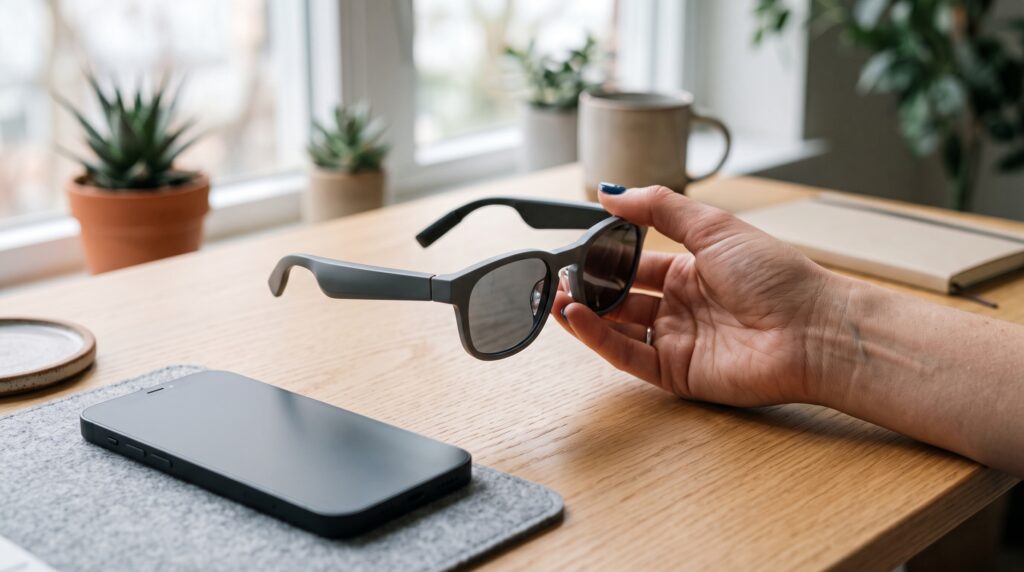
Rokid AI Glasses Style: The Traveler’s Pick
Switching between AI models mid-conversation for translation and navigation is genuinely useful abroad, and the lighter, display-less design keeps it comfortable for long transit days.
Expert Tips Before You Buy
- Match the category to your habit, not the hype. If you rarely check your phone for visual tasks, audio-first glasses will feel like plenty.
- Battery life numbers assume light use. Heavy camera or display use cuts runtime noticeably.
- Prescription lens compatibility varies by brand; confirm before ordering if you wear glasses daily.
- Privacy matters here more than with phones, since the camera faces outward. Check recording indicators and data policies before buying.
So, Which One Actually Replaces Your Phone?
None of them fully do, and that’s fine. The Meta Ray-Ban Display gets closest for notifications and navigation. The Ray-Ban Meta Gen 2 remains the best all-rounder for everyday questions and translation. Everyone else fills a niche: fitness, travel, or minimalist productivity.

If you’re upgrading from a regular pair of glasses, audio-first AI smart glasses 2026 models are the easier, cheaper entry point. If you already live by notifications and maps, the display category is worth the extra cost.
Want more breakdowns like this before you spend a dollar? Bookmark Hasan Drops for hands-on comparisons of every major AI wearable launching this year, and drop your questions in the comments if you’re torn between two models.
FAQs
1. What are AI smart glasses in 2026? They’re wearable glasses with built-in cameras, microphones, and AI assistants that answer questions, translate speech, and in some models, show notifications through a small in-lens display.
2. Can AI smart glasses replace my smartphone? Not completely. They reduce how often you reach for your phone for texts, directions, and quick questions, but you’ll still need a phone for most apps and heavy typing.
3. Which AI smart glasses have the longest battery life? Audio-first models without a display, like the Ray-Ban Meta Gen 2, generally last longer than display glasses since they don’t power a screen.
4. Are AI smart glasses worth it in 2026? If you frequently use voice assistants, translation, or navigation on your phone, yes. If you rarely use those features, a standard pair of glasses may suit you better.
5. Do AI smart glasses work without a phone connection? Most still pair with a companion app on your phone for setup and full functionality, though some models handle basic AI queries standalone.
6. What’s the difference between AI glasses and AR glasses? AI glasses focus on voice assistants and cameras with no visual overlay. AR (display) glasses add a screen you see through the lens for notifications, maps, or apps.
7. Which AI smart glasses are best for travel? Models with strong live translation and lighter frames, such as the Rokid AI Glasses Style, tend to suit travelers best.
8. Do AI smart glasses support prescription lenses? Many brands, including Ray-Ban Meta and Even Realities, offer prescription lens options, but availability varies by region and model.
9. Are AI smart glasses safe for privacy? They record what you look at, so check for recording indicator lights and read the manufacturer’s data policy before buying.
10. How much do good AI smart glasses cost in 2026? Prices range from around $300 for audio-first models to $700-plus for display glasses with in-lens screens and gesture controls.