
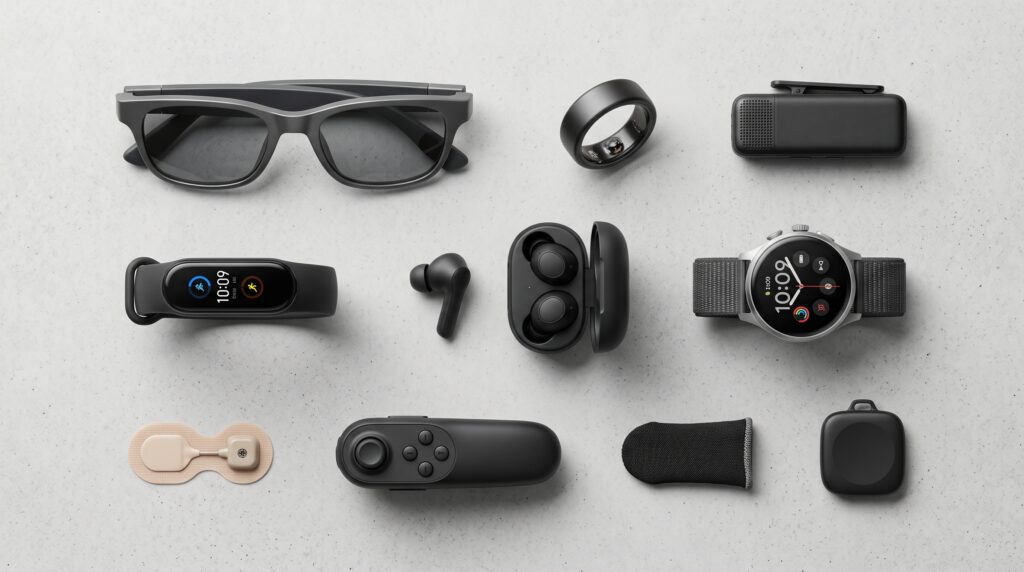
Not every wearable needs to reinvent your life. In 2026, the gadgets actually worth buying are the ones that solve one annoying problem so well you forget you’re even wearing them. No flashy AI pin gimmicks, no clunky gestures — just devices that quietly handle friction you deal with every single day.
Below are 10 problem-solving wearables that are earning real loyalty this year, based on how they perform in daily use rather than how they look on a spec sheet.
1. Plaud NotePin S — For People Who Forget What Was Said in Meetings
If you’re constantly in back-to-back calls, the Plaud NotePin S clips onto your collar and quietly records conversations you’d otherwise lose. Press it once to start, press again to stop, and the app turns the recording into a clean transcript with a summary and action items pulled out automatically.
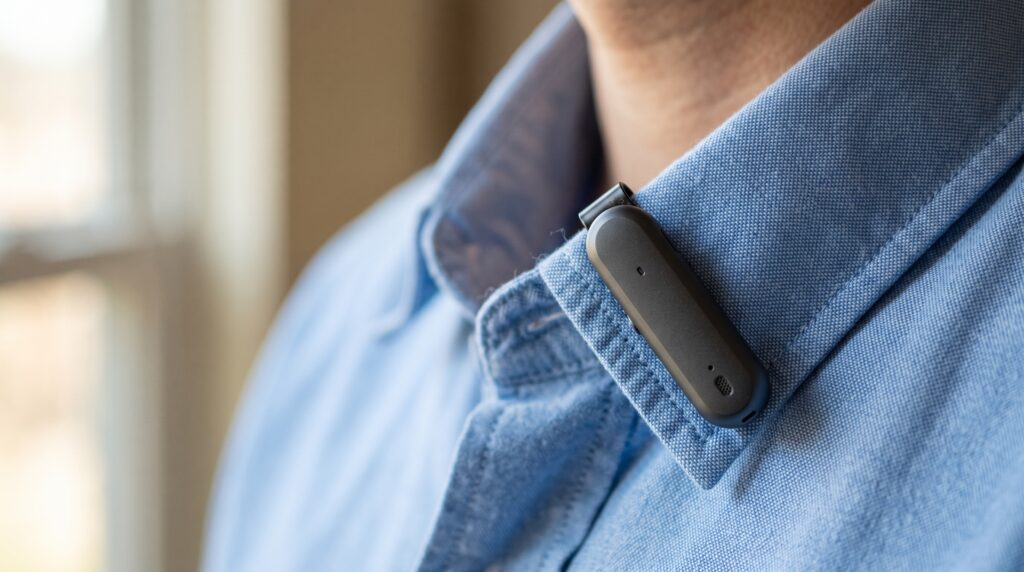
The trade-off is that you have to manually start and stop it for each conversation, unlike fully passive devices. Still, for anyone who’s ever left a meeting thinking “wait, what did we actually decide,” it solves a very specific, very real problem.
2. Bee — For Capturing Your Day Without Thinking About It
Bee takes a more passive approach than Plaud. Instead of pressing a button, it runs in the background all day and summarizes what happened, essentially giving you a searchable memory of your own life. It’s less precise for structured work meetings, but it shines for people who just want a general recall layer without managing recordings manually.
3. Smart Rings (Oura, Samsung Galaxy Ring) — For 24/7 Health Tracking Without the Charging Ritual
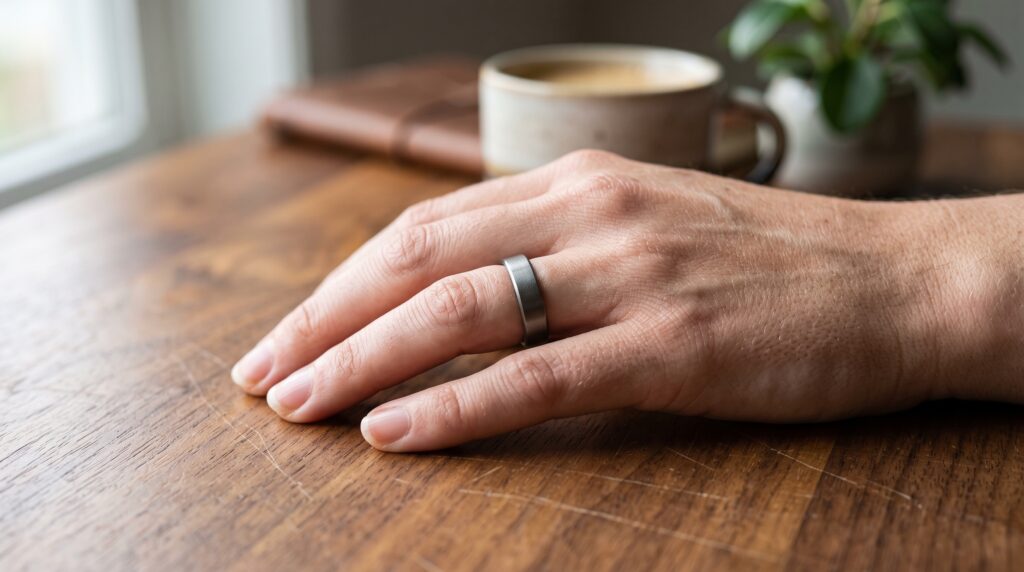
Smart rings have become the go-to fix for people who want health data without wearing a bulky device to bed. They track heart rate, sleep stages, and recovery continuously, and because there’s no wrist-tan line or daily charging routine, people actually keep wearing them consistently — which is half the battle with any health wearable.
4. Even Realities G2 Glasses — For Hands-Free Notifications That Don’t Feel Like AR
The G2 glasses use a simple green-only display instead of trying to be a full AR headset, and that restraint is exactly why they work. You get quick glances at notifications, translations, and prompts without pulling out your phone, and they’re light enough to wear outside the house — something most “smart glasses” still fail at.

Software has been a bit uneven through 2026, with occasional translation lag, but as a lightweight notification layer, they solve the “phone-checking habit” problem better than most alternatives.
5. Dreambuds — For Side Sleepers Who Can’t Wear Regular Earbuds to Bed
Sleep earbuds sound niche until you realize how many people can’t fall asleep without white noise or a podcast, but can’t wear standard earbuds comfortably on their side. Dreambuds were built specifically around that problem — low-profile design, overnight battery life, and minimal pressure points for side sleeping.
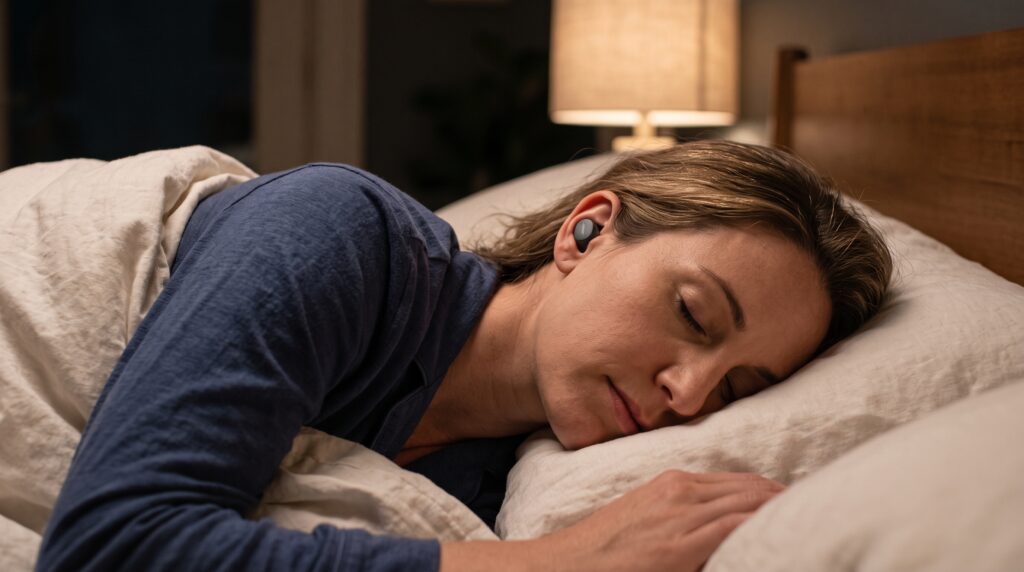
It’s a narrow use case, but it’s solved so precisely that reviewers consistently point to comfort during side sleeping as the standout feature.
6. Breath-Training Wearables — For Managing Stress in Real Time
A newer category in 2026, breath-training wearables monitor your breathing pattern and gently prompt you to slow down when you’re stressed or tense. Rather than logging stress data for you to review later, these devices intervene in the moment, which is a meaningful shift from passive tracking to active correction.
7. Cooling Vests — For People Who Work or Train in Extreme Heat

Cooling wearables have moved from niche industrial gear into mainstream fitness and outdoor use. These vests actively regulate body temperature instead of just tracking it, which matters a lot if you work outdoors, train in summer heat, or deal with temperature regulation issues.
8. Golf Glasses with Built-In Data Overlays — For Golfers Tired of Checking Their Phone Mid-Round
Golf glasses are a great example of a specialized wearable beating a general-purpose one. Instead of trying to be an everyday AR device, they focus entirely on displaying distance, wind, and shot data directly in your field of view during a round, solving one problem extremely well instead of ten problems poorly.
9. Nutrition-Capture Wearables — For People Who Hate Manually Logging Meals
Manually logging every meal is the number one reason people quit nutrition tracking. Newer capture-based wearables aim to automate part of that process, reducing the daily friction that causes most tracking habits to fall apart within a few weeks.
10. Outdoor Exoskeleton Wearables — For Reducing Strain During Physical Work or Hiking
Lightweight exoskeleton wearables are gaining traction with people who hike long distances or do physically demanding outdoor work. Rather than tracking movement, they physically assist it, reducing strain on joints and muscles over long periods — a good example of wearables shifting from observation to intervention.
Why “Problem-Solving” Wearables Are Winning in 2026
There’s a clear pattern across all 10 of these devices: none of them try to do everything. Each one focuses on a single friction point — memory, sleep, stress, heat, notifications, or physical strain — and solves it in a way that doesn’t demand constant attention.
That’s a direct reaction to earlier AI wearables that tried to replace phones outright and mostly failed. The devices earning trust now complement what people already carry instead of competing with it.
Expert Tip Before You Buy
Don’t buy based on hype alone. Start with the single problem that actually bothers you most — forgetting meetings, bad sleep, notification overload — and pick the wearable built specifically for that. Devices that require learning new gestures or charging twice a day tend to get abandoned within weeks, no matter how advanced the AI inside them is.
Final Thoughts
The best wearables in 2026 aren’t the ones doing the most. They’re the ones solving one real problem so quietly you stop noticing they’re there. Whether that’s a smart ring tracking your sleep or a pair of glasses saving you from constantly checking your phone, the winning formula is the same: less friction, more focus.
Looking for more picks like these? Check out our other AI wearable breakdowns on Hasan Drops to find the right device for your specific daily routine.
Frequently Asked Questions
What is a problem-solving wearable?
It’s a wearable device built to fix one specific daily friction point — like poor sleep, forgotten meetings, or notification overload — rather than trying to replace your phone entirely.
Are AI wearables worth buying in 2026?
Yes, if you pick one built around a specific problem you actually have. General-purpose AI wearables tend to disappoint more than specialized ones.
Do smart rings work as well as smartwatches for health tracking?
For passive tracking like sleep and heart rate, smart rings often perform just as well or better, mainly due to comfort and consistent wear.
What is the Plaud NotePin S used for?
It records and summarizes conversations, turning meetings into transcripts with action items automatically extracted.
Are smart glasses like the Even Realities G2 comfortable for daily wear?
Yes, their lightweight design and simple display make them wearable outside the house, unlike bulkier AR headsets.
Do sleep earbuds like Dreambuds work for side sleepers?
Yes, they’re specifically designed with a low-profile shape to reduce pressure while sleeping on your side.
What’s the biggest reason people abandon wearables?
Devices that require constant attention, new gestures, or frequent charging tend to get abandoned quickly.
Are cooling vests only for athletes?
No, they’re increasingly used by outdoor workers and anyone regularly exposed to extreme heat.
Can wearables help reduce stress in real time?
Yes, breath-training wearables are designed to prompt corrective action during stress rather than just logging it afterward.
What should I look for before buying a problem-solving wearable?
Identify the specific daily friction you want solved, then choose a device built around that single use case rather than one promising to do everything.